Winter in Pakistan: Snow Trips, Winter Treks and Cultural Tours

By Imtiyaz Ahmed Shigri, founder of Chogori Adventure, Skardu · Updated November 2026
Winter in Pakistan (December to February) is two seasons in one: snow and cold in the mountains of the north, where Hunza, Skardu, Naltar and Swat turn white and Malam Jabba and Naltar open for skiing, and the best time of year for the cities and historic sites of Lahore, Peshawar, Taxila and Sindh, which are mild and sunny. The high treks, such as K2 Base Camp, Rush Lake and Snow Lake, are closed by snow from about October to May. This guide explains where to go, what to expect, what is open and closed, and which of our trips run in winter.

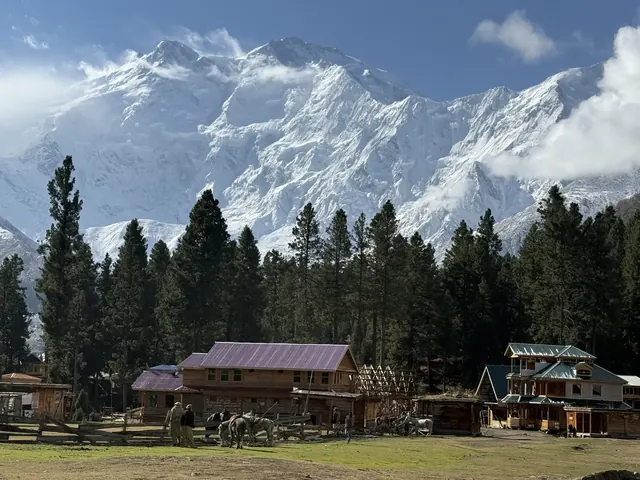
Fairy Meadows below Nanga Parbat; in winter the meadow lies under deep snow.
Winter in Pakistan at a glance
| Region | December–February | Good for |
|---|---|---|
| Gilgit-Baltistan (Hunza, Skardu, Gilgit) | Cold and snowy; very cold nights | Snow trips, quiet villages, winter scenery |
| Naltar and Swat (Malam Jabba) | Snow, ski slopes open when snow allows | Skiing and snow play |
| Kaghan valley (Shogran) | Snow; upper valley closed | Snow walks near Shogran |
| Lahore, Islamabad, Peshawar | Mild days, cool nights, morning fog | City tours, Mughal monuments, food |
| Sindh (Karachi, Mohenjo-daro) | Warm, dry and pleasant | Indus Valley sites, shrines, Makli |
| High treks (K2, Snow Lake, Rush Lake) | Closed by snow | Plan for June to September |
What the weather is like
| Place (height) | December | January | February |
|---|---|---|---|
| Skardu (2,230 m) | 7 / −6 °C | 3 / −8 °C | 6 / −4 °C |
| Gilgit (1,500 m) | 12 / −2 °C | 10 / −3 °C | 13 / 0 °C |
| Karachi (sea level) | 28 / 13 °C | 26 / 12 °C | 29 / 15 °C |
Average high / low temperatures from the Pakistan Meteorological Department. Hunza (about 2,450 m) is usually a few degrees colder than Gilgit, and the high valleys much colder still. In Lahore and Islamabad, winter days are mild, around 17–20 °C, with cool nights and, in Lahore, frequent morning fog.
Month by month: November to March
November
Autumn turns to winter in the north: the last golden poplars in early November, then cold nights and the first snow on the passes. The Fairy Meadows season ends, Deosai has long closed, and the Khunjerab border crossing closes at the end of the month. In the plains, November is one of the best months of the year, dry and pleasant, and the cultural season begins.
December
Snow settles on the northern valleys and short days begin. In Lahore, mornings can be foggy, but the days are mild and clear later on. The Kalash celebrate Chawmos in the Chitral valleys. Our Pakistan Cultural Tour and South Pakistan tour have December departures.
January
The coldest month: Skardu averages about −8 °C at night, and lakes in Upper Hunza freeze. Ski slopes at Malam Jabba and Naltar are usually open if the snow has come. In the south, January is ideal: Karachi averages about 26 °C by day. Our Indus Valley, 7-Day Cultural and Buddhist Pilgrimage tours run this month.
February
Still cold in the north, with good snow for skiing in many years and the first signs of longer days. In Lahore and Sindh the weather is mild and sunny. Our Pakistan Cultural Tour and South Pakistan tour run again in February.
March
Spring begins at the end of the month in the lower valleys, with the first blossom around Skardu and Hunza in late March and Navroz on about 21 March. In the plains, March is the last comfortable month before the heat; our Buddhist Pilgrimage Tour has a March departure.
Snow in the north
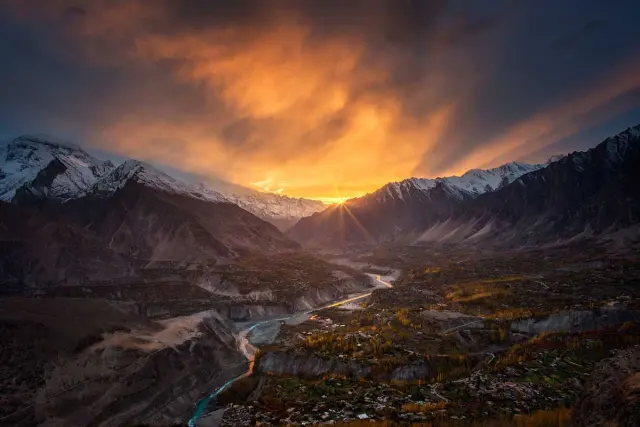
Hunza in winter
In winter the Hunza valley is quiet and very cold, with snow on the terraces of Karimabad and Altit and on the peaks around Rakaposhi and Ultar Sar. In the coldest weeks, lakes in Upper Hunza such as Borith Lake (about 2,600 m) freeze, and the edges of Attabad Lake can freeze too, which draws winter visitors and local ice-sports events. Days are short, many hotels and cafés close for the season, and the Khunjerab Pass border crossing is closed. For more about the valley, read our Hunza Valley guide.

Baltit Fort above Karimabad, Hunza.
Skardu in winter
Skardu is even colder, with January averages of about 3 °C by day and −8 °C at night, but often clear and sunny. Snow covers the Katpana and Sarfaranga deserts, the Kachura lakes may freeze, and Shigar Fort and Khaplu Palace stand out against white mountains. Flights from Islamabad continue in winter but are more often cancelled by cloud, and the Deosai Plains are closed. See our guide to places to visit in Skardu.
Things to do in Hunza and Skardu in winter
- Walk up to Baltit and Altit forts in the snow, when the old lanes of Karimabad are quiet.
- Watch the sunrise over Rakaposhi and Ultar Sar from the Eagle's Nest viewpoint (about 2,800 m), if the road is clear.
- Visit the frozen lakes of Upper Hunza, such as Borith Lake, on cold, clear days.
- Walk on the snow-covered dunes of the Katpana desert near Skardu.
- Visit Shigar Fort and Khaplu Palace, now heritage hotels, against a background of white peaks.
- Spend an evening with local families over butter tea, bread and dried apricots.
Gilgit in winter
Gilgit, at about 1,500 m, is the mildest of the northern towns in winter, with January days around 10 °C and nights just below freezing. It is the base for Naltar, a short drive away, and has flights to Islamabad when the weather allows. Its bazaars stay busy through the season.
Naltar valley
About 34 km from Gilgit, the forested Naltar valley is known for its alpine lakes in summer and for skiing in winter. Its ski slopes host races in the snow season, and the pine forest and snowfields make it one of the most beautiful winter landscapes in the north.
Swat: Malam Jabba and Kalam
In the Swat valley of Khyber Pakhtunkhwa, the hill station and ski resort of Malam Jabba lies in the Hindu Kush, about 40 km from Saidu Sharif and about 314 km from Islamabad. It is the best-known ski resort in Pakistan and one of the most searched winter destinations in the country. Higher up the Swat valley, Kalam is a popular place to see snow.
Kaghan valley: Shogran
The hill station of Shogran (2,362 m), above Kiwai in the Kaghan valley, is reached by a 7 km road and is popular for snow in winter. From Shogran a trail continues towards Siri and Payee and up to Makra Peak (3,885 m); in winter this is a snow walk for well-equipped groups only. The upper Kaghan valley and the Babusar Pass are closed in winter.
Murree and the Galiyat
The nearest snow to Islamabad is in the hills of Murree and the Galiyat (such as Nathia Gali), about an hour and a half by road. These pine-covered hill stations are crowded on winter weekends when snow falls, and roads can be blocked by traffic and ice, so go on a weekday if you can and check conditions before setting out.
Chitral and the Kalash valleys
Chitral, in the Hindu Kush, is cold and snowy in winter. The Lowari Tunnel keeps the road from the south open through the winter, and the Kalash valleys celebrate Chawmos in December (see our Kalash Valley Tour). Access to the valleys depends on snow, and the Shandur Pass to Gilgit is closed until summer.
Skiing in Pakistan
- Malam Jabba (Swat): the best-known resort, in the Hindu Kush, with ski slopes and a lift; the most accessible from Islamabad.
- Naltar (near Gilgit): a forested valley with ski slopes, known for competitions; reached by flying to Gilgit or by the Karakoram Highway.
The ski season depends on snowfall, usually from about December to March. Equipment can often be hired on site, but quality varies, so experienced skiers may prefer to bring their own boots. Check conditions before you travel; a good snow year and a poor one can feel very different.
Winter walks we arrange on request
Our high treks do not run in winter, but small private groups can do shorter winter walks at lower altitude, on request and only when conditions allow. They suit experienced walkers with good winter clothing and a flexible plan:
- Fairy Meadows in winter: the meadow and its forest under snow, below a white Nanga Parbat. The huts are mostly closed, and access depends on snow on the track from Tato.
- Hopar Glacier (Nagar): a short walk from the villages of Hopar to viewpoints over the glacier, in a quiet winter landscape.
- Shimshal valley: a visit to Shimshal village in Upper Hunza in its winter season, depending on the road.
- Makra Peak (Kaghan): a snow walk from Shogran for well-equipped groups, weather permitting.

The Shimshal valley in Upper Hunza, visited in winter on request.
Winter conditions change quickly, so we always plan these walks with spare days and a fallback in the valley. Contact us to discuss a winter trip.
What is closed in winter
| Closed or not possible | Usually open again | Our summer trip |
|---|---|---|
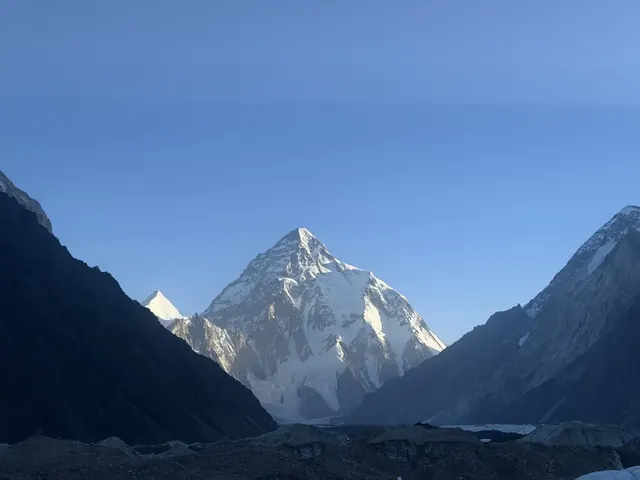
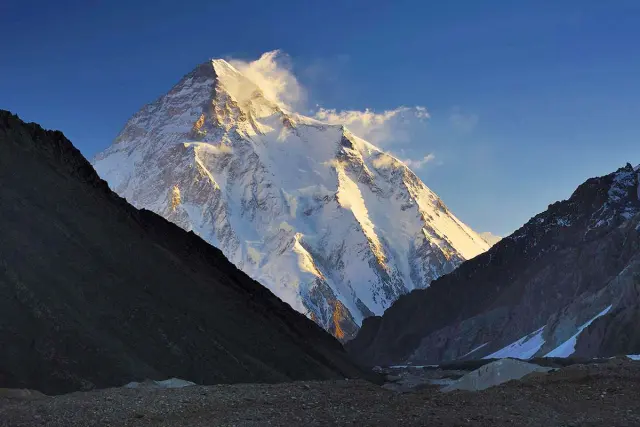
| K2 Base Camp and the Baltoro | June | K2 Base Camp Trek |
| Gondogoro La, Snow Lake and Hispar La, Haramosh La | July | Snow Lake Trek |
| Rush Lake (4,694 m) | July | Rush Lake Trek |
| Deosai Plains | July | Skardu tour packages |
| Khunjerab Pass border crossing | spring | Hunza Tour |
| Babusar Pass and upper Kaghan | late spring | — |
| Fairy Meadows trek (regular season) | May | Fairy Meadows Trek |
For the full trekking season, see our 10 best treks in northern Pakistan.

Rush Lake (4,694 m) in summer; in winter the route is under deep snow.
Winter is the season for culture
While the mountains rest, the plains are at their best. From November to February, Lahore, Islamabad, Peshawar, Taxila, Multan and Sindh are mild and sunny, ideal for long days at the forts, mosques, shrines and ancient cities. Most of our cultural tours run in these months:
| Tour | Days | Winter dates | Price |
|---|---|---|---|
| Pakistan Cultural Tour (Lahore, Multan, Peshawar, Swat, Taxila) | 10 | 1–10 Dec, 20–29 Dec (Confirmed), 1–10 Feb (Confirmed) | $1,400 |
| 7-Day Pakistan Cultural Trip | 7 | 10–16 Jan (Confirmed) | $1,000 |
| Indus Valley Civilization Tour | 12 | 1–12 Jan (Confirmed) | $1,400 |
| South Pakistan Cultural Group Tour | 12 | 10–21 Dec, 10–21 Jan (Confirmed), 10–21 Feb | $1,800 |
| Buddhist Pilgrimage Tour | 7 | 15–21 Jan, 1–7 Mar (Confirmed) | $1,500 |
| Lahore City Tour | 3 | any date, October to March | from $300 |
| Peshawar City Tour | 2 | any date, October to March | from $300 |
All prices are in US dollars (USD), or the equivalent in Pakistani rupees (PKR) on the day you pay. "Confirmed" dates will run.
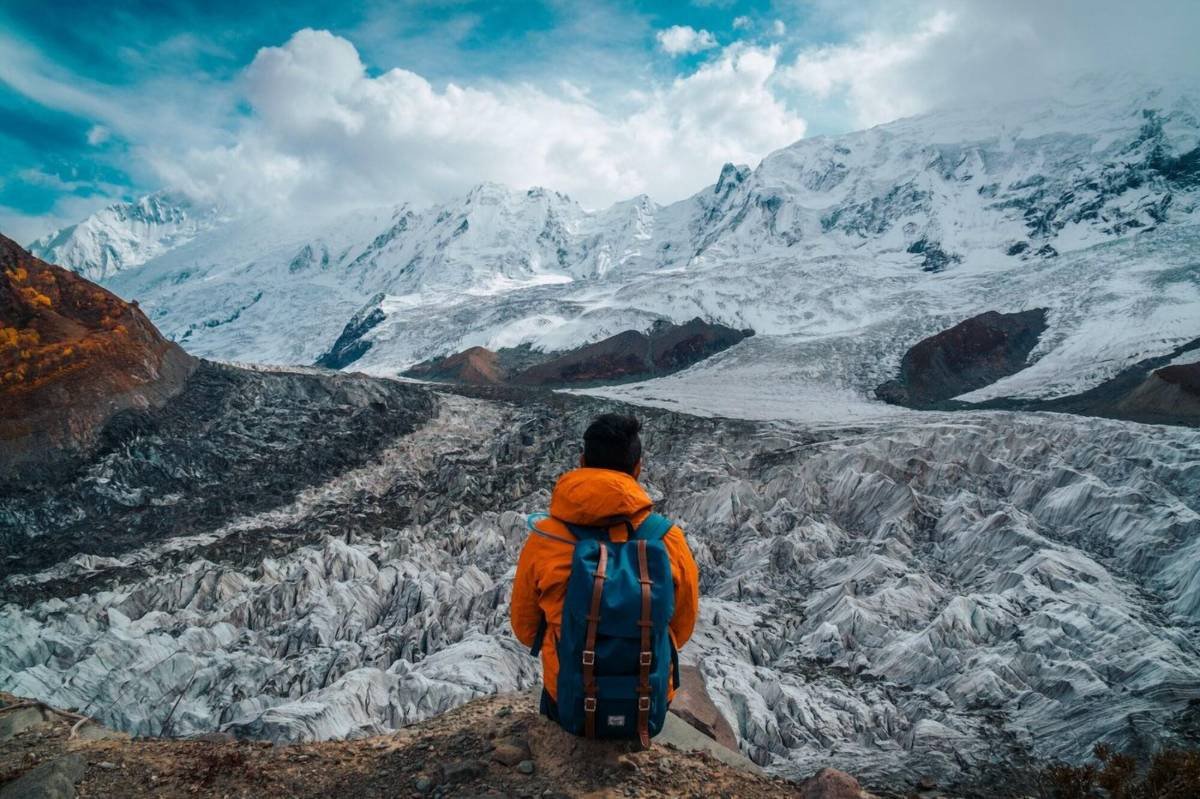
Rakaposhi (7,788 m) above the glacier in Nagar.
Lahore in winter
Winter is the best time for Lahore: mild days for walking in the Walled City, Lahore Fort and the Badshahi Mosque, and cool evenings for the food streets. Fog can delay early flights and trains in December and January, so plan a little slack.
Peshawar, Swat and Taxila
Peshawar's bazaars and museum, the Buddhist sites of Taxila and Takht-i-Bahi, and the lower Swat valley are pleasant in winter, though Swat is cold at night. Our Pakistan Cultural Tour and Buddhist Pilgrimage Tour visit them in their best season.
Sindh and the south
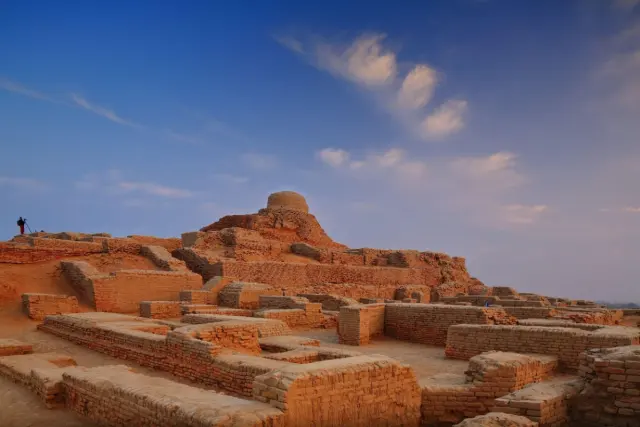
Sindh is hot for most of the year, so winter is the time to visit Mohenjo-daro, the necropolis of Makli and the shrines of the south. Karachi averages about 26 °C by day in January.
Travel tips for winter
- Keep spare days: flights to Skardu and Gilgit, and early flights in foggy Lahore, are often delayed in winter.
- Expect short days: plan sightseeing for the daylight hours, especially in the mountains.
- Heating and power: in the north, power cuts are common; choose hotels with good heating and bring a power bank.
- Roads: the Karakoram Highway usually stays open, but snow and ice can close sections for a time; mountain passes such as Babusar and Khunjerab are closed.
- Hotels: many hotels and cafés in Hunza and Skardu close in winter; book ahead with places that stay open.
Getting around the north in winter
The Karakoram Highway to Gilgit and Hunza usually stays open in winter, though snow, ice and rockfall can close sections for a time; the drive from Islamabad takes two days, with a night in Chilas. The Skardu Road follows the Indus at relatively low height and normally remains open. The Babusar Pass road through Kaghan is closed. Flights to Skardu and Gilgit continue in winter but are more often cancelled by cloud, so plan spare days, or travel by road. In the valleys, use a 4x4 with an experienced local driver; side roads to places such as Naltar can be icy.
Hotels and heating
In the north, many smaller hotels and guesthouses close from December to February, while larger hotels in Karimabad, Gilgit and Skardu stay open. Heating varies: some hotels have central heating or gas heaters, others rely on electric heaters during power supply hours. Ask about heating and hot water when you book, bring warm layers for the evenings, and keep a power bank charged. In the cities, hotels are open all year and winter is a comfortable season.
Winter food in the north
Winter food in the mountains is warming and simple: thick soups with home-made noodles, Balti and Hunza breads, salted butter tea, dried apricots and walnuts stored from the harvest, and hearty meat dishes. In Hunza, try chapshoro (meat-filled bread) in a local café. In the cities, winter is the season for nihari, haleem and sweet halwa, and for street food stalls selling roasted peanuts and dried fruit.
Photography in winter
Cold, dry air often brings the clearest light of the year. In Hunza, early mornings give sharp views of Rakaposhi and Ultar Sar; frozen lakes in Upper Hunza and the snow-covered dunes of Skardu make unusual pictures. Keep camera batteries warm in an inside pocket, as they drain fast in the cold, and let equipment adjust slowly when you come indoors to avoid condensation. In Lahore, foggy mornings around the Badshahi Mosque and the Walled City can be atmospheric.
Staying healthy in the cold
Dress in layers, with a warm hat and gloves, and change out of wet clothes quickly. At altitude the cold feels stronger and the sun is still intense, so use sun cream and sunglasses on snow. Drink plenty of water even when you do not feel thirsty, as the winter air is very dry. Make sure your travel insurance covers winter activities such as skiing or snow walks, and carry any medicines you need, as pharmacies in small valleys may be closed.
Winter trips with children
Families visiting from Pakistan's cities often head north in winter to see snow. With children, choose places that are easy to reach and have open hotels with good heating, such as Malam Jabba, Gilgit or Karimabad, and keep driving days short. Pack spare warm clothes, waterproof boots and gloves, and plan indoor stops. In the cities, winter is a comfortable season for sightseeing with children of all ages.
Common winter mistakes
- Planning a high trek in winter: treks such as K2 Base Camp, Rush Lake and Snow Lake are not possible; choose summer for them.
- No spare days: one cancelled flight to Skardu or one blocked road can cost a day or two.
- Too light clothing: nights in the north are well below freezing, and many rooms are only partly heated.
- Assuming everything is open: many hotels, cafés and some roads in the north close for the season; check in advance.
- Driving yourself on icy roads: hire an experienced local driver with a 4x4 instead.
What to pack for winter
| For the north | For the cities |
|---|---|
| Down jacket and thermal layers | A warm jacket for mornings and evenings |
| Insulated, waterproof boots | Comfortable walking shoes |
| Warm hat, gloves and a scarf | Layers you can remove in the midday sun |
| Sunglasses and sun cream for the snow | A scarf (for women) for mosques and shrines |
| A power bank and a head torch | A light raincoat for the occasional shower |
Sample winter trips
7 days: Lahore and the Gandhara route
Lahore, Rohtas Fort, Peshawar, Swat and Taxila in a week, on our 7-Day Pakistan Cultural Trip in January.
10–12 days: the south and the Indus
Karachi, Mohenjo-daro, Makli, Multan and Lahore on our South Pakistan Cultural Group Tour, or the great Indus Valley sites on our Indus Valley Civilization Tour.
A culture and snow combination
Join a cultural tour, then fly from Islamabad to Skardu or Gilgit for a few days in the snow, with Hunza or Naltar as a private extension, weather permitting.
Winter or summer: which to choose?
| If you want… | Choose | Why |
|---|---|---|
| Treks to K2, Snow Lake or Rush Lake | Summer (June–September) | The high routes are only open in summer |
| Hunza and Skardu in full colour | April–May or September–October | Blossom or autumn colours, mild days |
| Snow, skiing and quiet valleys | Winter (December–February) | Snow cover and few visitors |
| Lahore, Peshawar, Taxila and Sindh | Winter (November–February) | Mild, sunny days instead of summer heat |
| Both the north and the cities | Spring or autumn | The mountains are open and the plains are not too hot |
Planning a winter trip with us
Our cultural tours run on fixed winter dates (see the table above), and our Lahore and Peshawar city tours run on any date from October to March. For the north, we arrange private winter trips to Hunza, Skardu or Gilgit and short winter walks on request, always with spare days and a plan for changing weather. Tell us your dates, your interests and how much cold you enjoy, and we will suggest what is realistic. For a general overview of travel in Pakistan, see our Pakistan travel guide.
Festivals in winter
In December, the Kalash people of the Chitral valleys celebrate Chawmos, their winter festival, with music, dances and rituals. Dates and access vary each year, so plan well ahead. In the rest of the country, the dates of the Muslim holidays move each year; travel is busy around Eid.
Why travel in winter?
- Fewer visitors: the northern valleys are quiet, and you share the views with local families rather than crowds.
- Clear light: cold, dry days often bring the sharpest mountain views of the year.
- The best season for culture: Lahore, Peshawar and Sindh are at their most comfortable.
- Snow: for many visitors from warmer countries, a snowy Hunza or Skardu is a rare sight.
Responsible winter travel
Winter is a hard season for mountain communities: fuel and food are stored for months, and every visitor adds to the demand for firewood and heating. Choose hotels that use fuel responsibly, avoid wasting heat and water, and buy local products. In the cities, respect the customs of the season, and in the mountains, never travel without warm clothing and a plan for delays.
Frequently asked questions
Is winter a good time to visit Pakistan?
Yes, for two kinds of trip: the cities and historic sites of Punjab, Khyber Pakhtunkhwa and Sindh, which are at their most pleasant from November to February, and snow trips to the northern valleys for those who enjoy the cold.
Where can I see snow in Pakistan?
In the north: Hunza, Skardu, Naltar near Gilgit, Swat (Malam Jabba and Kalam), and the Kaghan valley around Shogran. Snow is usual from December to February in these areas.
Where can you ski in Pakistan?
The two best-known ski areas are Malam Jabba in the Swat valley (Hindu Kush) and Naltar near Gilgit. The season depends on snowfall, usually from about December to March.
How cold is Skardu in winter?
Very cold: in January the average high in Skardu is about 3 °C and the average low about −8 °C (Pakistan Meteorological Department).
Can you trek in Pakistan in winter?
Not on the high treks: K2 Base Camp, the Gondogoro La, Snow Lake, Rush Lake and other high routes are under deep snow from about October to May. Short winter walks at lower altitude are possible on request, depending on conditions.
Is Fairy Meadows open in winter?
The meadow is deep in snow in winter and the huts are mostly closed. Our Fairy Meadows trek runs from May to November; a winter walk is possible only on request and depending on conditions.
Is the Khunjerab Pass open in winter?
The Khunjerab Pass border crossing to China normally closes for the winter, and the road to the top can be blocked by snow.
Is Deosai open in winter?
No. The Deosai Plains are under snow from about October to June; the road is open only from about July to September.
What is the best winter tour in Pakistan?
For culture, our Pakistan Cultural Tour (Lahore, Multan, Peshawar, Swat and Taxila) and our South Pakistan and Indus Valley tours, which run in December, January and February.
What is the weather in Lahore in winter?
Mild and pleasant: days of about 18–20 °C and cool nights of about 5–8 °C in December and January, with morning fog at times.
Do flights to Skardu and Gilgit run in winter?
Yes, but they depend on clear weather and are more often delayed or cancelled in winter. Always keep spare days.
What should I pack for Pakistan in winter?
For the north: a down jacket, thermal layers, warm boots, hat and gloves. For the cities: layers for cool mornings and evenings and a light jacket.
Is Hunza worth visiting in winter?
For snow lovers, yes: Karimabad, Altit and the frozen edges of the lakes in Upper Hunza are beautiful and quiet. Many hotels and cafés close, and days are short and very cold.
Are there festivals in winter?
Yes. The Kalash people of the Chitral valleys celebrate Chawmos, their winter festival, in December.
Does it snow in Islamabad or Lahore?
Almost never in the cities themselves. Snow falls in the hills around Murree, about an hour and a half from Islamabad, and in the northern valleys.
When does the snow start in the north?
Usually from November on the passes and high valleys, and from December in valleys such as Hunza and Skardu. It lasts into March on the higher ground.
Is the Karakoram Highway open in winter?
Usually yes, though snow, ice or rockfall can close sections for hours or days. Plan spare time and travel with an experienced driver.
When is the best month for skiing in Pakistan?
Usually January and February, when the snow cover at Malam Jabba and Naltar is most reliable, though it varies from year to year.
Where is the nearest snow to Islamabad?
In the hills of Murree and the Galiyat, about an hour and a half by road, when snow has fallen. They are very busy on winter weekends.
Can I visit Chitral in winter?
Yes, the road stays open through the Lowari Tunnel, but it is cold and snowy, and the Shandur Pass towards Gilgit is closed until summer.
What is there to do in Hunza in winter?
See the forts and old villages of Karimabad and Altit in the snow, visit the frozen lakes of Upper Hunza, and enjoy quiet views of Rakaposhi and Ultar Sar. Many hotels close, so book with one that stays open.
How much does a winter tour cost?
Our winter cultural tours cost from $1,000 for 7 days to $1,800 for 12 days per person on fixed departures; Lahore and Peshawar city tours start from $300 per person. All prices are in US dollars (USD), or the equivalent in Pakistani rupees (PKR) on the day you pay.
Can I combine snow and culture in one winter trip?
Yes: for example, a cultural tour of Lahore, Peshawar and Taxila, followed by a flight to Skardu or Gilgit for a few days in the snow, weather permitting.
About the author
Imtiyaz Ahmed Shigri founded Chogori Adventure in Skardu in 2015. Our guides are local, government-licensed and English-speaking, and most of them are trained in first aid. We are licensed by the Department of Tourist Services (licence no. 2494) and the Gilgit-Baltistan tourism department (licence DTS-GB-055), and we are a member of the Pakistan Association of Tour Operators, with offices in Skardu and Islamabad.
Rated 4.9 out of 5 from 47 reviews on Google (November 2026). Read our reviews on Google