Snow Leopard Tour in Pakistan: Hushe Valley
Share
from
$1,800
Book now
- Duration
- 12 Days
- Difficulty
- Moderate
- Max Altitude
- 3,100 m / 10,171 ft
- Best Time
- Dec, Jan–Mar
- Group Size
- 4–12 people
- Trip Type
- Tour
Overview
Snow Leopard Tour in Pakistan 2027: Winter in Hushe Valley
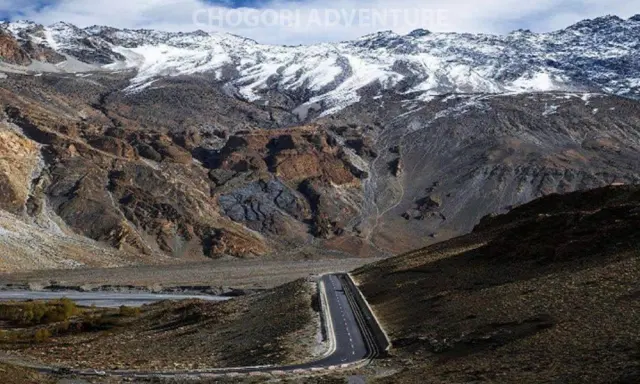
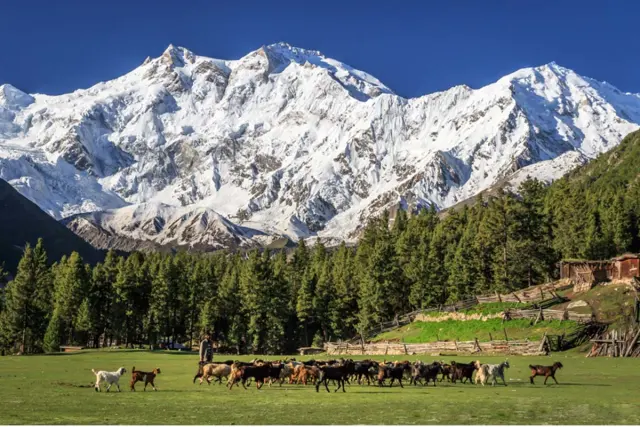
This is a private winter tour to watch for snow leopards in Hushe valley, Gilgit-Baltistan, with four full field days, Hushe village spotters and spotting scopes. Hushe (about 3,100 m) is the last village of its valley, below Masherbrum in the Karakoram, and its village conservation committee works to protect the cats and the ibex they hunt. We run the trip on any date from mid-December to mid-March, at $1,800 per person for 2–4 people.
Snow leopards are rare and shy, and we cannot promise you will see one. What you do get is time on the slopes with people who know where the cats move, a very good chance of Himalayan ibex, and a few days of real winter village life.
The trip in numbers
- Length: 12 days, Islamabad to Islamabad, with 4 full field days in Hushe.
- Heights: Islamabad 540 m; Skardu 2,230 m; Khaplu 2,600 m; Hushe about 3,100 m.
- Travel: flights Islamabad–Skardu and back, then a private 4x4 to Hushe, about 5–6 hours each way.
- Season: mid-December to mid-March; the highest chance is mid-January to late February.
- Cold: Skardu January nights are about −8 °C and can reach −20 °C; Hushe is colder.
- Grade: easy to moderate walking in snow; no climbing.
- Group: private only, 2 to 12 people.
- Price: $1,800 per person for 2–4 people; other group sizes in the price table below.
When to go, month by month
Go between mid-December and mid-March; the highest chance of a sighting is from mid-January to late February. In deep winter the ibex come down to lower slopes to feed, the snow leopards follow them, and fresh snow shows their tracks.
- December: the season opens in mid-December. Snow cover is still building, so the cats can be higher and harder to find.
- January: the coldest month. From mid-January the ibex are low, the valley is quiet and tracks are easy to read.
- February: still deep winter, with slightly longer days. With late January, this is the heart of the season.
- March: the season closes in mid-March, as the snow starts to melt and sightings become less likely.
- April to November: not a snow leopard season. The ibex and the cats move high into the mountains. In summer, Hushe is the starting point for treks instead.
Every trip is private, so you choose your own dates. If you can, plan for mid-January to late February.
A typical field day in Hushe
A field day starts at first light with a long scan of the slopes from a lookout above the village. Your guide and the Hushe spotters set up the spotting scopes and search the cliffs and ridges where the ibex feed.
- Early morning: a hot drink, then a short walk to a lookout to scan for ibex herds and any movement on the rocks.
- Late morning: breakfast, or onward on foot if the spotters have news. We look for fresh pugmarks, scrapes and kills, and follow the signs at a respectful distance.
- Afternoon: scanning from other points in the valley, or a rest while the spotters keep watch.
- Evening: a last scan in the late light, then dinner at the guesthouse or homestay with a Hushe family.
Walks are short, usually a few minutes to 2–3 hours in snow. Most of the day is patient watching, so warm clothes matter more than fitness.
What you may see
Himalayan ibex are very likely on this trip; the snow leopard is the rare prize.
- Himalayan ibex: herds on the cliffs above the village in winter.
- Snow leopard: possible on any day, but rare. When seen, it is usually far away on a ridge or cliff, through a scope.
- Birds: lammergeier (bearded vulture) and golden eagle live in Gilgit-Baltistan and may pass over the ridges.
- Other animals: red fox and wolf live in the region; their tracks in fresh snow are a possible bonus.
- Winter scenery: frozen streams, the old village and the peaks around Masherbrum in clear winter light.
Chances, and our no-guarantee policy
Your chance of seeing a snow leopard is real but low, and we cannot guarantee a sighting. The cats live at low density over a huge area of mountains, and they are shy and well hidden. On many trips guests see ibex and tracks but no cat. We do not give a percentage, because there are no published figures for Gilgit-Baltistan.
- No refund for no sighting: the price pays for the guide, spotters, scopes, transport, rooms, meals, permits and the conservation fee, whether or not a cat appears.
- How we raise your chances: four full field days, local spotters who know the valley, good scopes, and the months when the cats come lower.
- Sightings are often distant: expect to watch through a scope, sometimes a cat resting for hours on a far ledge.
Book this trip if you will enjoy the search itself: the winter valley, the ibex and the village are the trip, and a snow leopard is a gift on top.
How we watch responsibly
This is a watching-only trip: no hunting, no baiting, no calling and no chasing. We work with the Hushe village conservation committee and local spotters, so the people who protect the cats also earn from them.
- We watch from a distance with scopes and never walk or drive toward a resting or hunting cat.
- No bait, no calls and no recorded sounds.
- No drones: all drones are banned in Gilgit-Baltistan since 27 February 2026.
- Small private groups and quiet voices.
- Never buy skins, bones or other animal parts.
- Your photos of cats and tracks can help local researchers; we are happy to pass them on.
A community conservation fee is included in your price. The spotters, host families and drivers are local people, so your trip gives Hushe a reason to keep its snow leopards and ibex safe.
Cold, comfort and what to pack
Expect hard cold: Skardu January nights are about −8 °C and can reach −20 °C, and Hushe, about 900 m higher, is colder. Sunny days can feel mild, but you will stand still for hours in the shade at first light.
- Rooms: hotels in Islamabad and Skardu, and a simple guesthouse or homestay in Hushe, all twin sharing.
- Clothing: a thick down jacket, insulated pants, thermal layers, a warm hat, a face cover, liner gloves and heavy mittens.
- Feet: insulated winter boots with good grip, thick wool socks, gaiters and light traction spikes for icy paths.
- Sleeping: a sleeping bag rated to about −20 °C for Hushe. We can help you find winter gear in Skardu.
- Extras: sunglasses, sunscreen, lip balm, a thermos, hand and toe warmers, and spare camera batteries kept warm in an inside pocket.
- Camera: a long lens (400 mm or more) and binoculars help a lot; we bring the spotting scopes.
Snow Leopard Tour Cost and What Is Included
The tour costs $1,800 per person for a private group of 2–4 people, from Islamabad back to Islamabad. The price per person depends on the size of your group:
Private Group PricesPrice per person. Your group price is applied automatically when you book.
| Solo price | 2 to 4 people | 5 to 8 people | 9 to 20 people |
|---|---|---|---|
| $3,000 | $1,800 | $1,600 | $1,500 |
All prices are in US dollars (USD), or the equivalent in Pakistani rupees (PKR) on the day you pay.
What the price covers
- Return flights Islamabad–Skardu, airport transfers and a private 4x4 with driver.
- Hotels in Islamabad (1 night before, 2 after) and Skardu (2 nights in, 1 out), and a guesthouse or homestay in Hushe, all twin sharing.
- All meals outside Islamabad.
- An English-speaking guide, Hushe village spotters and spotting scopes.
- Permits and the community conservation fee.
What you pay yourself
- International flights, the Pakistan visa fee, meals in Islamabad, travel insurance and tips.
- Your winter clothing, sleeping bag, binoculars and camera gear.
- Extra costs if a flight is cancelled by weather and we travel by road (about 2 days each way), such as extra hotel nights, meals and road transport.
Who should pick another trip
If you want comfort, long walks or a summer holiday, choose another trip. This tour is slow, cold and quiet by design.
- For other winter ideas, see our guide to winter treks in Pakistan or a shorter Skardu tour.
- For culture and forts, see our Hunza tour and the places to visit in Skardu.
- To walk in the Hushe area in summer, take the Laila Peak Base Camp Trek or the Gilgit-Baltistan Trekking Adventure.
- For the big Karakoram trek, take the K2 Base Camp Trek.
Related Tours
(Tours You May Like)
| Tour | Price (USD) |
|---|---|
| Skardu Tour Packages—7 Days | $330 |
| Laila Peak Base Camp Trek—13 Days | $1,600 |
| Hunza Tour—8 Days | $1,000 |
| Gilgit-Baltistan Trekking Adventure—15 Days | $1,800 |
| K2 Base Camp Trek—21 Days | $2,300 |
How to book this trip
-
Choose a date
This trip runs as a private tour: choose the start date that suits you in the booking form.
-
Send your details
Fill in the booking form with your name, email and group size.
-
Pay the 10% advance deposit
The deposit holds your place on the trip.
-
We confirm your booking
Once the deposit arrives, we confirm and start booking your hotels and arrangements.
-
Pay the balance
By bank transfer two weeks before you arrive, or bring cash to Islamabad.
Highlights
- Four full field days in Hushe valley (about 3,100 m) in deep winter.
- Hushe village spotters and spotting scopes on every field day.
- Himalayan ibex very likely; snow leopard tracks in fresh snow.
- Watching only, with the Hushe village conservation committee.
- Evenings with Hushe families in a village guesthouse or homestay.
- Private only, any date from mid-December to mid-March.
Itinerary
Day 1: Arrival in Islamabad
Islamabad · 540 m (1,772 ft)
Our staff meet you at Islamabad International Airport and take you to the hotel. In the evening your guide explains the trip and checks your winter gear.
- Accommodation: Hotel in Islamabad (twin sharing).
- Meals: Not included in Islamabad.
Day 2: Fly to Skardu
Skardu · 2,230 m (7,316 ft)
A morning flight of about 1 hour over the mountains to Skardu. Winter flights are often cancelled by weather; if so, we travel by road in about 2 days, and the guest pays the extra costs.
- Accommodation: Hotel in Skardu (twin sharing).
- Meals: Lunch and dinner included.
Day 3: Skardu: Rest and Acclimatization
Skardu · 2,230 m (7,316 ft)
A gentle day to get used to the height and the cold, with a visit to the frozen Upper Kachura Lake and a drive to Shigar. We can help you find any winter gear you still need.
- Accommodation: Hotel in Skardu (twin sharing).
- Meals: Breakfast, lunch and dinner included.
Day 4: Drive Skardu to Khaplu and Hushe
Location: Hushe | Altitude: about 3,100 m
About 5–6 hours by private 4x4 along the Shyok River to Khaplu (2,600 m), then up the Hushe valley to the village. We meet the spotters and the conservation committee, plan the field days and, weather allowing, make a first scan in the late light.
- Accommodation: Guesthouse or homestay in Hushe (twin sharing).
- Meals: Breakfast, lunch and dinner included.
Day 5: Field Day 1 in Hushe
Location: Hushe | Altitude: about 3,100 m
A first-light scan from a lookout above the village with the spotters and scopes. We learn the valley, find the ibex herds and look for fresh tracks.
- Field time: first light and late light at the lookouts; short walks in snow, up to 2–3 hours.
- Accommodation: Guesthouse or homestay in Hushe (twin sharing).
- Meals: Breakfast, lunch and dinner included.
Day 6: Field Day 2 in Hushe
Location: Hushe | Altitude: about 3,100 m
An early start at a different lookout. If the spotters find fresh pugmarks or a kill, we follow the signs at a respectful distance and watch from far away.
- Field time: first light and late light at the lookouts; short walks in snow, up to 2–3 hours.
- Accommodation: Guesthouse or homestay in Hushe (twin sharing).
- Meals: Breakfast, lunch and dinner included.
Day 7: Field Day 3 in Hushe
Location: Hushe | Altitude: about 3,100 m
Scanning the cliffs and ridges where the ibex feed, with a warm lunch back in the village while the spotters keep watch.
- Field time: first light and late light at the lookouts; short walks in snow, up to 2–3 hours.
- Accommodation: Guesthouse or homestay in Hushe (twin sharing).
- Meals: Breakfast, lunch and dinner included.
Day 8: Field Day 4 in Hushe
Location: Hushe | Altitude: about 3,100 m
The last full day of searching, guided by what the spotters have seen, with time for birds, village life and photography. A farewell dinner with your host family.
- Field time: first light and late light at the lookouts; short walks in snow, up to 2–3 hours.
- Accommodation: Guesthouse or homestay in Hushe (twin sharing).
- Meals: Breakfast, lunch and dinner included.
Day 9: Drive Hushe to Skardu
Skardu · 2,230 m (7,316 ft)
A last first-light scan from the village, then about 5–6 hours back to Skardu through Khaplu.
- Accommodation: Hotel in Skardu (twin sharing).
- Meals: Breakfast, lunch and dinner included.
Day 10: Fly to Islamabad
Islamabad · 540 m (1,772 ft)
The flight back to Islamabad (about 1 hour). If it is cancelled, we travel by road in about 2 days, and the guest pays the extra costs.
- Accommodation: Hotel in Islamabad (twin sharing).
- Meals: Breakfast in Skardu included; meals in Islamabad not included.
Day 11: Spare Day in Islamabad
Islamabad · 540 m (1,772 ft)
A free day in Islamabad. It is also the buffer that keeps your flight home safe if winter weather delays the trip.
- Accommodation: Hotel in Islamabad (twin sharing).
- Meals: Not included in Islamabad.
Day 12: Departure
Islamabad · 540 m (1,772 ft)
Our staff take you to Islamabad International Airport for your flight home.
1,000
2,000
3,000
3,100 m
- Skardu 2,230 m
- Hushe 3,100 m
Islamabad
Islamabad
What's included in the price
This trip runs as a private tour. Here is what the price covers, and what it does not.
Facilities
- Food
- Transportation
- Hotel Stays
- Airport Pick & Drop
- Guiding
Included in the price
- Return flights Islamabad–Skardu
- Airport transfers in Islamabad and Skardu
- Private 4x4 with driver for the whole trip in Baltistan
- Hotels: Islamabad 1 night before and 2 after, Skardu 2 nights in and 1 out (twin sharing)
- Guesthouse or homestay in Hushe (twin sharing)
- All meals outside Islamabad
- An English-speaking guide
- Hushe village spotters on every field day
- Spotting scopes
- Permits and the community conservation fee
Not included
- International flights and the Pakistan visa fee
- Meals in Islamabad
- Personal winter clothing and sleeping bag
- Camera gear and binoculars
- Tips for the guide, spotters and drivers
- Travel insurance
- Extra costs if a flight is cancelled, such as extra hotel nights, meals and road transport
- Anything not listed under included
Why choose Chogori Adventure
-
Native Company
Authentic journeys, local expertise.
-
Senior Guides
Expert-led journeys crafted with wisdom and a personal touch.
-
Clear Pricing
What's included is listed on each trip.
Resources
Free guides from our local team, so you arrive ready.
FAQs
Can you guarantee a snow leopard?
No. Snow leopards are rare and shy, and nobody can guarantee one. Your chance is real but low, and we do not give a percentage.
Is there a refund if we see no snow leopard?
No. The price pays for the guide, spotters, scopes, transport, rooms, meals, permits and the conservation fee, whether or not a cat appears.
When should I go?
Mid-December to mid-March. The highest chance is mid-January to late February, when cats follow the ibex lower and fresh snow shows their tracks.
How cold is it?
Very cold. Skardu January nights are about −8 °C and can reach −20 °C; Hushe, at about 3,100 m, is colder. Bring a sleeping bag rated to about −20 °C.
Is the tour private?
Yes, private only, on any date in the season, for 2 to 12 people. There are no fixed departures.
How much does it cost?
$1,800 per person for 2–4 people, from Islamabad back to Islamabad. See the price table above for other group sizes.
How far away are the cats?
Usually far: on a ridge or cliff across the valley, seen through a spotting scope. Close sightings are rare.
What else will we see?
Himalayan ibex are very likely. Lammergeier and golden eagle live in Gilgit-Baltistan and may pass over, and you may find fox or wolf tracks in the snow.
Do I need to be fit?
Normal fitness is enough. Walks in snow are short, up to 2–3 hours. The hard part is the cold and the long hours of patient watching.
Can I fly a drone?
No. All drones are banned in Gilgit-Baltistan since 27 February 2026, and drones also disturb wildlife.
Is hunting involved?
No. This is a watching-only trip: no hunting, no baiting, no calling and no chasing.
What camera gear should I bring?
A long lens (400 mm or more), binoculars and spare batteries kept warm. We bring the spotting scopes; phone photos through a scope can work.
Can we combine it with Hunza or Khunjerab?
Yes. The trip can be extended with extra days in Hunza by road, on request. The Khunjerab border is closed from 1 December to 1 April, but the lower part of the park can still be reached. See our Hunza tour.
What if the Skardu flight is cancelled?
Winter flights are often cancelled by weather. We then travel by road in about 2 days, and the guest pays the extra costs. The spare day in Islamabad on Day 11 protects your flight home.
Reviews
No Review
You might also like