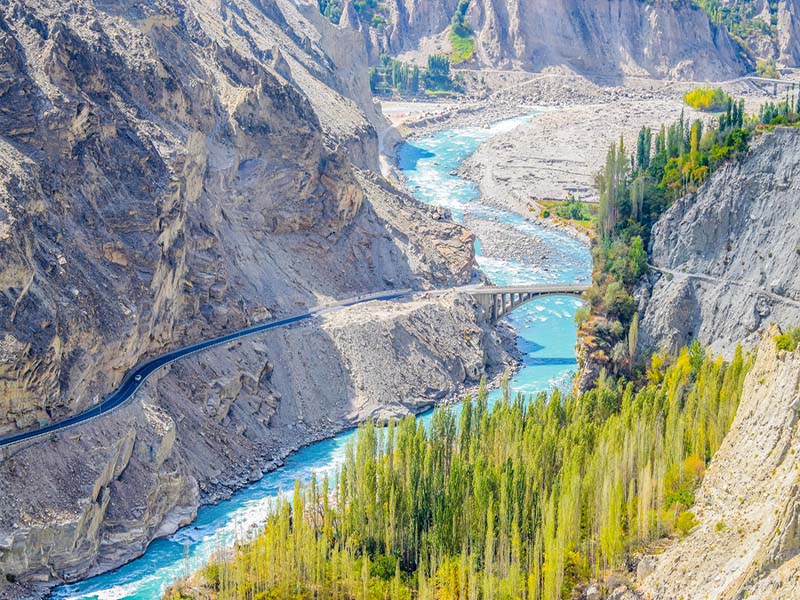
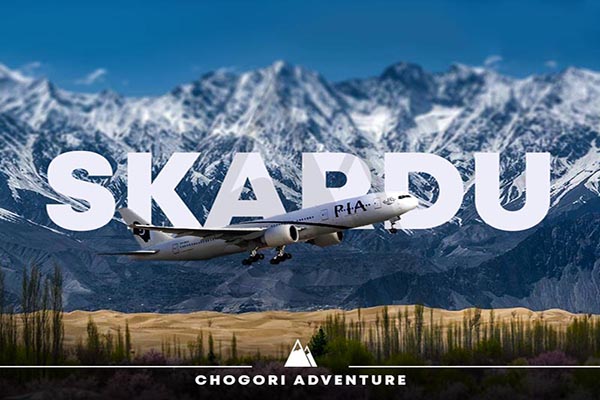
The journey from Skardu to Hunza is one of the most scenic and rewarding road trips in Gilgit-Baltistan, Pakistan. Linking two of the region’s most famous mountain destinations, this route passes through deep gorges, roaring rivers, dramatic rock formations, and some of the world’s highest peaks.
Despite the beauty, the terrain is rugged and the journey requires careful planning. This comprehensive guide explains distance, routes, road conditions, transport modes, seasonal challenges, costs, and safety tips to help you travel with confidence.
Overview of Skardu and Hunza
- Skardu is the gateway to the Karakoram Range and Baltistan, serving as the base for treks to K2, Deosai Plains, and numerous glaciers.
- Hunza Valley is famous for its terraced fields, historic forts, and panoramic views of Rakaposhi, Ultar Sar, and Ladyfinger Peak.
Traveling between these two regions allows you to experience both Baltistan’s stark mountain landscapes and Hunza’s lush valleys in a single journey.
Skardu to Hunza Distance & Travel Time
Road Distance
- Approximate Distance: 280–300 kilometers
- Average Driving Time: 5–7 hours
- Maximum Time (with stops or delays): 8+ hours
Although the straight-line distance is much shorter, the mountainous roads and winding river valleys significantly increase travel time.
Routes from Skardu to Hunza
Skardu → Gilgit → Hunza (Primary & Most Reliable Route)
Route Breakdown:
- Skardu → Jaglot via Skardu–Gilgit Road
- Jaglot → Gilgit
- Gilgit → Hunza via Karakoram Highway (N-35)
Key Highlights:
- Smoothest and safest route overall
- Mostly paved roads
- Passes through key towns for fuel, food, and rest
- Stunning views of the Indus River and Karakoram mountains
Distance: ~280–300 km
Time: 5–6 hours in favorable conditions
This route remains open most of the year, except during severe weather or landslide events.
Skardu → Deosai Plains → Astore → Hunza (Scenic & Seasonal Route)
Route Breakdown:
- Skardu → Deosai National Park
- Deosai → Astore Valley
- Astore → Gilgit → Hunza
Key Highlights:
- Crosses Deosai Plateau (one of the highest plateaus in the world)
- Exceptional wildlife and photography opportunities
- Ideal for adventure travelers
Distance: ~330–350 km
Time: 8–10 hours
Important Notes:
- Open only from June to September
- Requires a 4×4 vehicle
- Weather can change rapidly
- Not recommended for first-time mountain drivers
Detailed Road Conditions
Road Quality
- Mostly asphalted, with intermittent rough patches
- Narrow sections with no guardrails
- Sharp turns, steep ascents, and descents
- Gravel and uneven surfaces in remote areas
Common Challenges
- Landslides after rain or snowmelt
- Falling rocks, especially in narrow gorges
- Traffic congestion near Gilgit during peak season
Seasonal Impact
|
Season |
Conditions |
|
Spring (March–April) |
Unstable weather, possible landslides |
|
Summer (May–September) |
Best conditions, high tourist traffic |
|
Autumn (October) |
Clear views, colder nights |
|
Winter (Nov–Feb) |
Snow, ice, possible road closures |
Night travel is strongly discouraged due to visibility issues and safety risks.
Transport Modes from Skardu to Hunza
Private Car / Self-Drive
- Best for comfort and flexibility
- SUVs or 4×4 vehicles recommended
- Ideal for families and photographers
Taxi or Private Jeep
- Easily available in Skardu
- Drivers familiar with terrain
- Suitable for tourists without mountain driving experience
Public Transport
- Shared Hiace vans and local buses
- Usually involves changing vehicles in Gilgit
- Budget-friendly but slower and less comfortable
Estimated Travel Costs (One-Way)
|
Transport Mode |
Estimated Cost |
|
Public Van |
Low (budget option) |
|
Private Taxi |
Medium to High |
|
Self-Drive (Fuel) |
Medium |
|
|
(Costs vary by season and demand.)
Facilities & Services Along the Route
- Fuel Stations: Skardu, Jaglot, Gilgit
- Food & Rest Stops: Small roadside hotels and cafés
- Mobile Network: Limited; stronger near towns
- Medical Facilities: Available in Gilgit only
- Cash: Carry enough cash—ATMs are unreliable
Safety & Travel Tips
- Start the journey early in the morning
- Check road and weather updates before departure
- Carry warm clothing even in summer
- Pack snacks, water, and a basic first-aid kit
- Keep emergency contact numbers
- Avoid overtaking on narrow mountain roads
Frequently Asked Questions ❓
Is the road safe for tourists?
Yes, if traveled during daylight and good weather.
Can small cars make the trip?
Yes on the main route, but SUVs are safer.
Is Deosai route worth it?
Absolutely—if you have time, experience, and a 4×4.
Final Thoughts
The Skardu to Hunza journey is more than a road trip—it’s a passage through the heart of the Karakoram. With proper planning, the right vehicle, and respect for mountain conditions, this route becomes one of the most unforgettable travel experiences in Pakistan.
Whether you’re an adventure seeker, photographer, or casual traveler, Skardu to Hunza is a journey that stays with you long after the road ends. Check our Skardu Hunza Tour for a prices, packages and detail practical information.