Introduction
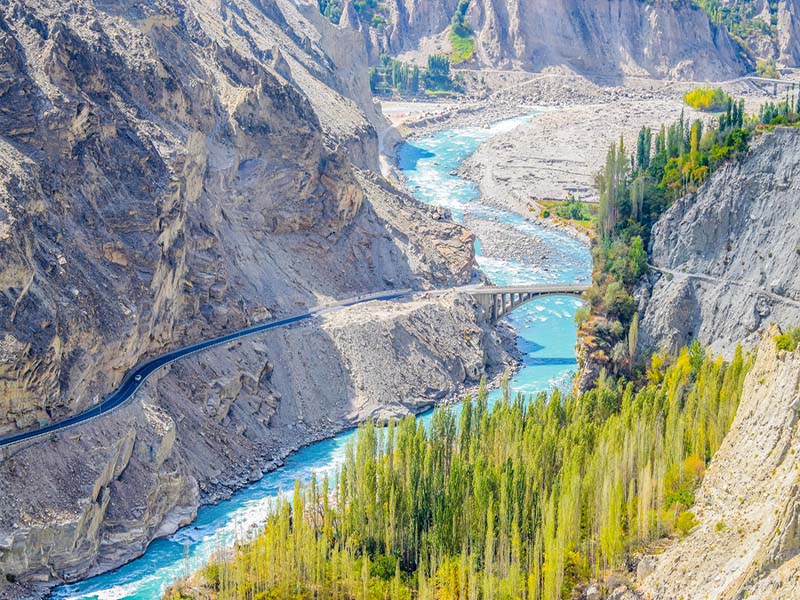
The Hunza Valley, located in the Gilgit-Baltistan region of northern Pakistan, is a hidden gem known for its stunning landscapes, rich cultural heritage, and welcoming communities. Surrounded by towering mountains and nestled along the historic Silk Road, Hunza has long been a place of intrigue for travelers, historians, and adventurers alike. Its strategic location and unique cultural blend make it a fascinating destination for those seeking natural beauty and cultural immersion.
Hunza Valley, Gilgit-Baltistan
Geography
Location
Situated in the northernmost part of Pakistan, the Hunza Valley lies within Gilgit-Baltistan, a semi-autonomous region known for its rugged beauty and strategic importance. The valley is bordered by China to the north through the Khunjerab Pass, which is part of the China-Pakistan Economic Corridor (CPEC), and Afghanistan to the northwest. This geographic positioning not only enhances its cultural diversity but also makes it a gateway for trade and travel between Central and South Asia.
Topography
Hunza Valley’s topography is a blend of rugged mountainous terrain and serene, fertile valleys. The towering peaks of the Karakoram Range, including the majestic Rakaposhi, Ladyfinger Peak, and Ultar Sar, provide a dramatic backdrop to the lush, terraced fields below. The valley is carved by the Hunza River, whose glacial waters nourish the agriculture of the region. The terraced fields, often planted with apricot, cherry, and walnut trees, add to the picturesque beauty of Hunza.
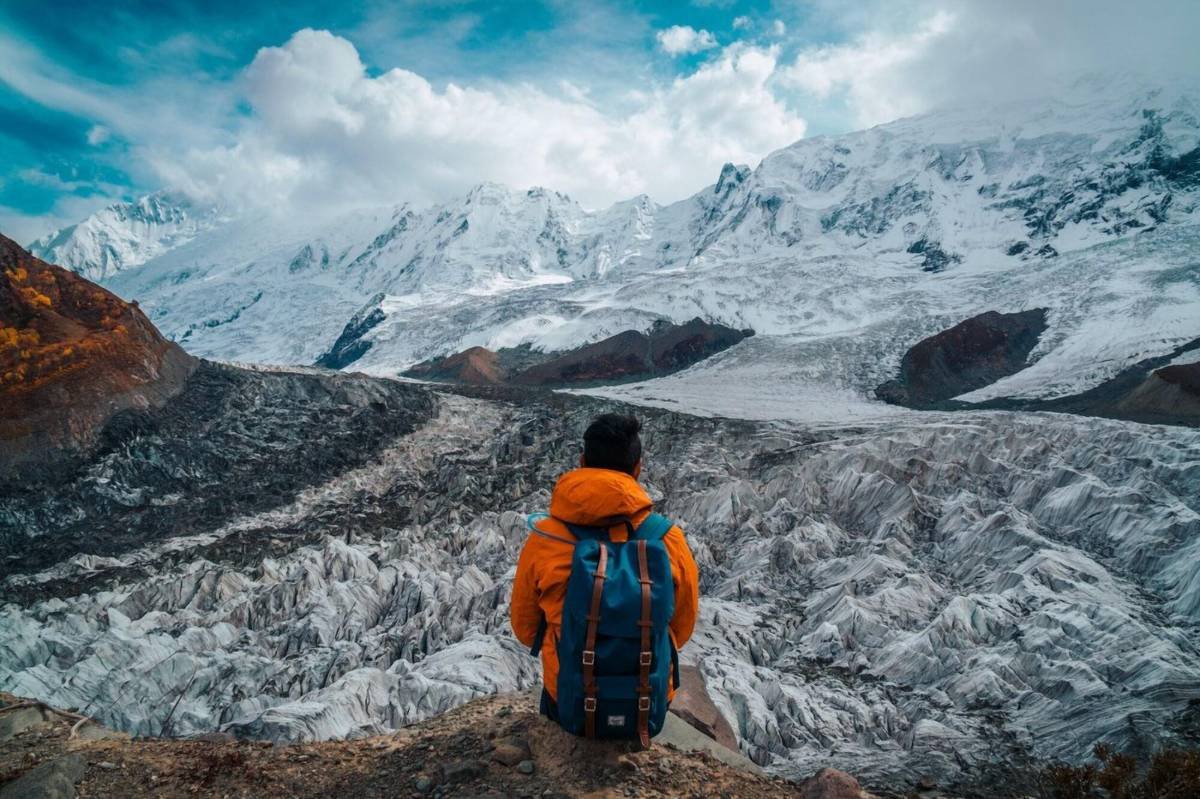
Rakaposhi towering above Hunza Valley
Climate
The valley experiences an alpine climate with distinct seasonal changes. Summers (May to September) are mild and pleasant, making it the best time to visit. Spring brings vibrant blooms of apricot and cherry blossoms, while autumn turns the valley into a canvas of golden and red hues. Winters are harsh, with heavy snowfall that blankets the region, particularly in the higher altitudes.
Hunza Valley People and Culture
Inhabitants
The Hunza Valley is predominantly inhabited by the Burusho and Wakhi ethnic groups, each contributing to the valley’s unique cultural mosaic. The Burusho people are believed to have ancient roots and speak the Burushaski language, a language isolate with no known relatives. The Wakhi people, who inhabit the upper parts of the valley, migrated from the Wakhan Corridor of Afghanistan and speak the Wakhi language. Both communities are known for their simplicity, hospitality, and strong sense of community.
Culture
Hunza’s culture is a harmonious blend of ancient traditions and modern influences. The people of Hunza are primarily Ismaili Muslims, followers of the Aga Khan, which influences their outlook on education, healthcare, and social development. The region boasts high literacy rates, particularly among women, and a progressive approach to community welfare.
Hospitality is a hallmark of Hunza culture. Visitors are often welcomed with traditional meals, including chapshuro (meat pie), molida (bread crumbs mixed with butter and sugar), and the region’s famous dried apricots. The valley's lifestyle reflects a balance between tradition and adaptation to modern needs, with festivals, music, and dance playing a significant role in everyday life.

Traditional house in Karimabad, Hunza
Festivals
Hunza Valley celebrates a variety of festivals, reflecting its cultural and agricultural traditions.
- Ginani Festival:
This harvest festival is celebrated in early summer to mark the arrival of new crops. Locals express gratitude through traditional songs, dances, and feasts, celebrating the blessings of nature. - Nowruz:
The Persian New Year, celebrated on March 21st, is a vibrant cultural event in Hunza. It symbolizes renewal and rejuvenation, with rituals that include cleaning homes, preparing special foods, and community gatherings. Nowruz showcases the Persian and Central Asian influences in Hunza’s culture.
Languages
The linguistic landscape of Hunza Valley is as diverse as its culture.
- Burushaski: A unique language isolate spoken by the Burusho people, with no known relation to any other language.
- Wakhi: Spoken by the Wakhi community in the upper Hunza region, part of the Eastern Iranian language family.
- Shina: Commonly spoken in surrounding areas and understood by many in Hunza.
- Urdu and English: Widely used for communication with visitors, enhancing accessibility for tourists.
Mountains and Natural Beauty in Hunza Valley
Major Peaks
Hunza Valley is surrounded by some of the most majestic peaks in the world, making it a haven for mountaineers and nature lovers.
- Rakaposhi (7,788 m) – 27th highest in the world, Karakoram Range, Nagar Valley
- Ultar Sar (7,388 m) – Above Karimabad, technical climbs, Karakoram Range
- Diran Peak (7,266 m) – Neighboring Rakaposhi, popular for climbers, Nagar Valley
- Ladyfinger Peak (6,000 m) – Sharp rock spire, iconic views, near Ultar Sar
- Passu Cones (6,106 m) – Cathedral-like peaks, visible from Karakoram Highway
- Batura Sar (7,795 m) – 25th highest globally, Batura Muztagh
- Shispare Peak (7,611 m) – Technical climbs, near Passu Glacier
- Hunza Peak (6,270 m) – Companion to Ladyfinger, above Karimabad
- Bojahagur Duanasir (7,329 m) – Near Hispar Glacier, Batura Muztagh
- Karun Koh (7,164 m) – Hidden gem, challenging climbs, Hispar Muztagh

Morning mist over the peaks near Karimabad
Glaciers in Hunza Valley
The valley is home to numerous glaciers that add to its raw, untouched beauty.
- Batura Glacier: One of the longest glaciers outside the polar regions, stretching approximately 57 km. It offers incredible trekking opportunities alongside traditional Wakhi villages.
- Passu Glacier: Located near the iconic Passu Cones, part of a stunning trekking route including Borith Lake.
Scenic Attractions in Hunza Valley
Hunza Valley’s beauty is not limited to its mountains and glaciers.
- Attabad Lake: A turquoise lake formed after a massive landslide in 2010, offering boating, fishing, and jet-skiing.
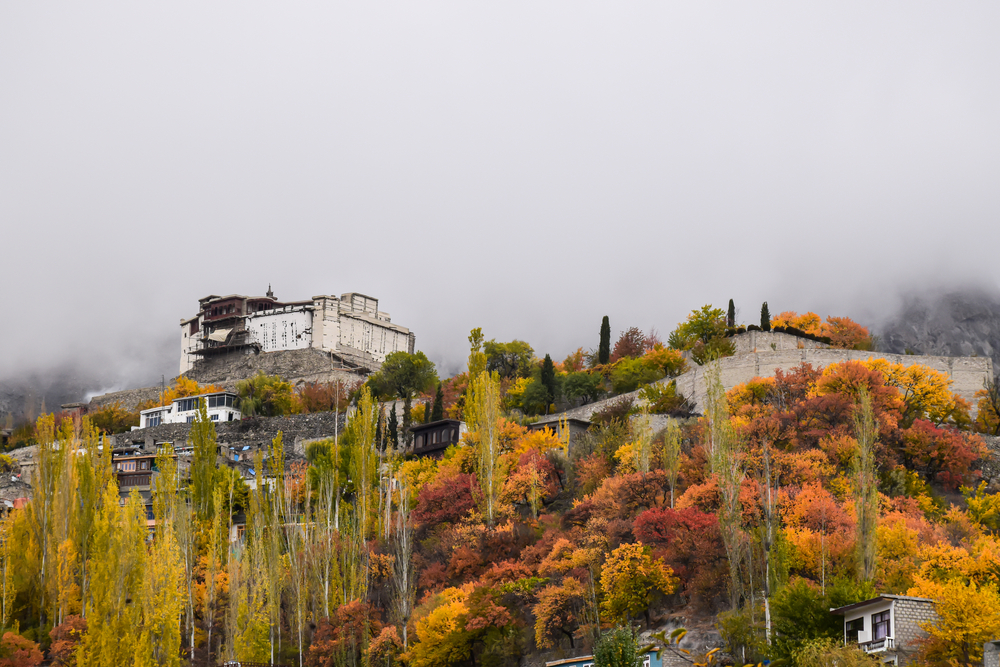
- Baltit and Altit Forts: Historic forts in Karimabad showcasing Hunza’s heritage and panoramic views.
- Karimabad Panoramic Views: Central hub with views of Rakaposhi, Ultar Sar, and surrounding peaks.
- Eagle’s Nest: A viewpoint famous for sunrise and sunset views.
- Passu Glacier and Passu Cones: Scenic spot with dramatic glacier and peak views.
- Gulmit Village: Cultural hub with Wakhi heritage, Old House, and Polo Ground.
- Khunjerab Pass: World’s highest paved international border crossing (4,693 m).
- Hussaini Suspension Bridge: Known as one of the most dangerous bridges in the world.
- Sost Border Town: Last town before China, a trade hub and gateway to Khunjerab National Park.

Baltit Fort, Karimabad — a Hunza Valley landmark
You may also like to read: 10 Best Places to Visit in Hunza Valley
Trekking Destinations in Hunza Valley
Rakaposhi Base Camp Trek
A moderate trek offering lush meadows, terraced fields, and close-up views of Rakaposhi, starting from Minapin Village.
Passu Glacier and Passu Cones Trek
One of the most iconic treks in Hunza, featuring adventurous trails, Passu Glacier, Passu Cones, and Borith Lake.
Batura Glacier Trek
A lesser-traveled route along the 57 km Batura Glacier, combining natural beauty with Wakhi cultural experiences.
Ultar Sar Base Camp Trek
A challenging trek from Karimabad with spectacular views of Ultar Sar and Ladyfinger Peak.
Shimshal Valley Trek
A remote trek offering deep cultural experiences with the Shimshali people and access to high-altitude Pamir pastures.
The Best Time to Visit Hunza Valley
The best time to visit Hunza Valley is from April to October. Spring brings blooming cherry and apricot blossoms, summer offers pleasant trekking weather, and autumn transforms the valley into a golden paradise for photographers. Winter offers serenity and snow-covered beauty, though road access may be limited.
Conclusion
The Hunza Valley is more than just a destination; it is an experience that offers a blend of natural beauty, rich culture, and warm hospitality. Its geography creates an idyllic setting for adventure and exploration, while its people and traditions offer a glimpse into a unique way of life. Whether it is through the melody of local languages, the rhythm of cultural festivals, or the breathtaking landscapes, Hunza leaves a lasting impression on all who visit.